Forest Management with Pineywoods Cattle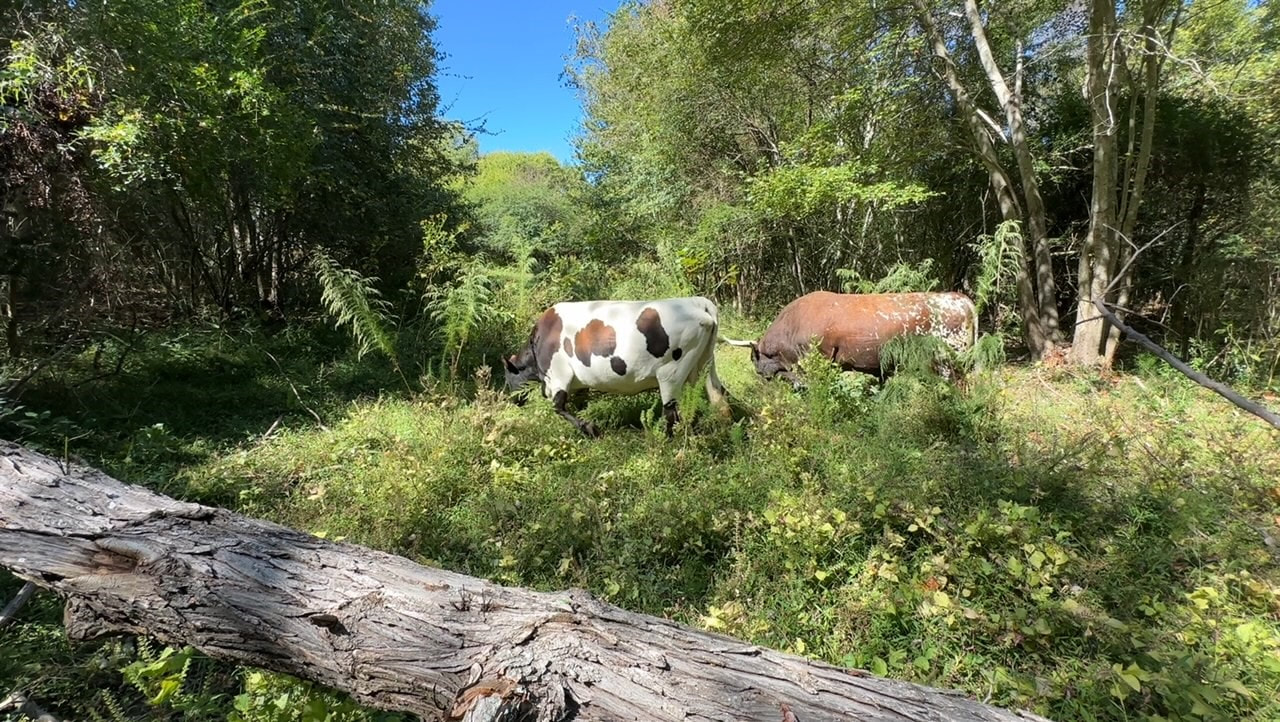
Pineywoods Cattle grazing on Japanese Stiltgrass in an opening in the forest at Ozark Akerz
Our Pineywoods Cattle have transformed impenetrable thorny land into a flourishing forest. We have witnessed the dramatic and positive impacts of this regenerative practice in 15 acres of forest that the Pineywoods graze. Through there appetite for invasive plant species we have seen an increase in biodiversity of plants and animals, discovered sacred indigenous sites and have begun honorably harvesting medicinal plants such as Turkey Tail (Trametes versicolor) mushrooms that have been scientifically shown to have anti-cancer properties.
Our video shows some of the new plant species and one of the sacred indigenous sites and compares the managed and unmanaged forest to illustrate the dramatic improvements the Pineywoods Cattle have made. We also share some exciting news about expansion of our regenerative practices to an additional 60+ acres of forest
0 Comments
How Dung Beetles Improve Health Of Regenerative Farms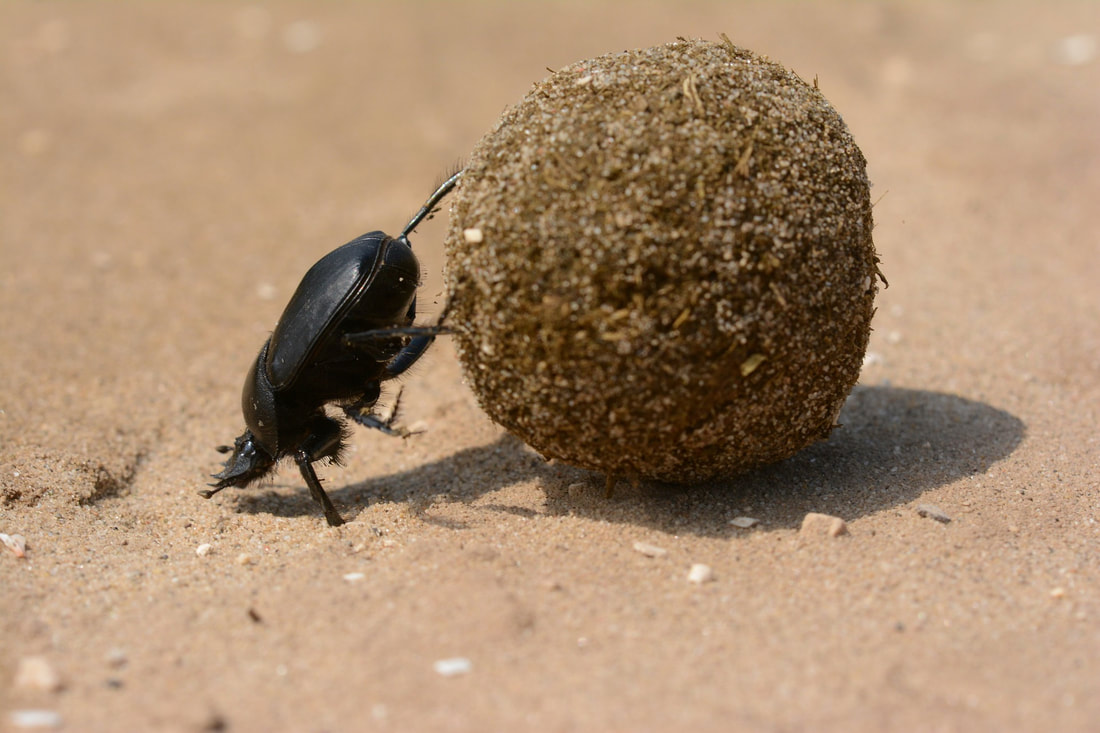
Dung beetles are the strongest animals in the world. They can pull 1,141 times their body weight. That’s like a human pulling six fully loaded double-decker buses. They are found on every continent except for Antarctica.
Unlike the dung beetles I watched with curiosity as a kid in Rhodesia (now Zimbabwe) that would roll a ball of elephant dung much larger than themselves, the dung beetles in North Carolina are mainly tunneling (lay eggs in the soil beneath the cow pat) or dwelling (lay eggs in the cow pat). Tunneling dung beetles are the most beneficial to soil and pasture by acting as living feritlizers. By burying cow poo as food for their young, they aerate, introduce organic matter, and cycle the nutrients that are present in cow dung to the soil. The dwelling beetles have the additional benefit that they compete for manure with horn flies that can irritate the cows. Why Grow a Food and Medicine Forest?
A Food & Medicine Forest attempts to mimic nature. It provides bio-diverse, perennially growing food and medicine and tools. The benefits of growing a Food & Medicine Forest range from carbon capture to self-reliance to increasing biodiversity. We have started started converting an old hay field intoto a Food & Medicine Forest. This area of the farm contributes heavily to our health and is one of the reasons Sue, who is a cancer survivor, has not taken any prescription or over-the-counter drugs in 8 years.
We’ve allowed wildflowers and ‘weeds’ to grow and added native species of shrubs, trees and flowers, and perennial food plants. Our goals have been multi-fold. In no specific order, these include: |
Farmer Sue
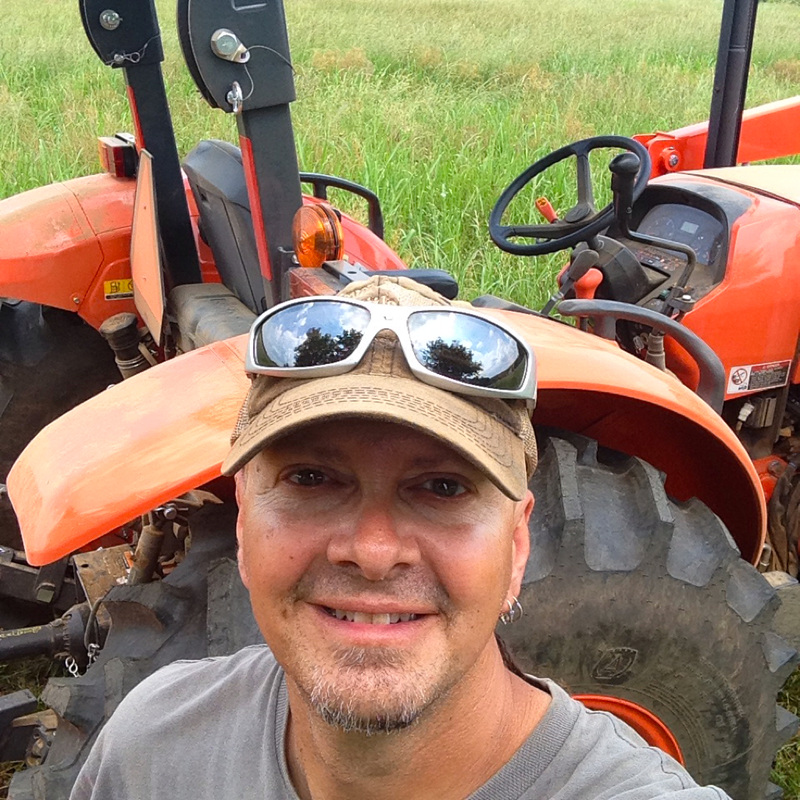
Farmer Mike
Categories
All
Archives
April 2024
Check out our YouTube channel
Copyright © Turboxark Inc 2014-2024 - Terms of Use
|
 RSS Feed