What Do Pineywoods Cattle Eat?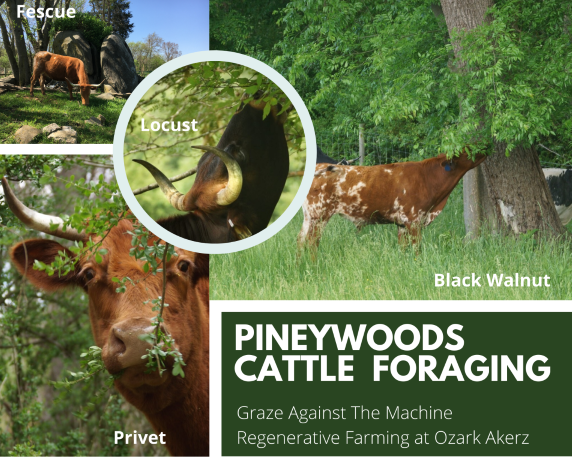
Pineywoods Cattle have a bio-diverse diet, it is one of the reasons why we chose to raise them. Ozark Akerz is a mix of pastures and forests and the combination of grasses, trees, and shrubs is the perfect combination for them. In fact we stopped rotational grazing, allowing them to eat what they want, when they want (food and medicine), just like their ancestors did.
What do the Pineywoods Cattle herd eat at Ozark Akerz Regenerative Farm? The answer is, all sorts, from Brambles to Walnut. We'll share what we've seen them eat, how they sometimes eat similar to Giraffes, and how our bull Rocky competes with farmer Sue to see who can pull the tastiest kudzu vine out of the trees for the cows. We'll also reveal how their appetite helps us meet some of our regenerative farming goals.
1 Comment
Pineywoods Cattle and Trees - A Partnership In Conservation
Pineywoods Cattle are instrumental in conserving and maintaining Trees and vice versa.
The Pineywoods varied appetite - including kudzu, greenbrier, brambles, even poison ivy - has led to a healthier forest and increased biodiversity at Ozark Akerz. In return, forests help conserve the Pineywoods, allowing them to mimic the foraging behavior of their wild roaming ancestors, providing them with a variety of food and medicine. This synergy between plants and animals allows the trees at Ozark Akerz to continue capturing over 800, 000 pounds of carbon every year. Learn more about this partnership between Pineywoods and Trees and learn how we use the iNaturalist and iTree Canopy Apps to track biodiversity and carbon capture in this presentation originally given by farmer Mike at the Chatham Conservation Partnership. Watch it all or scroll down to jump to the topic that interests you Click on the topic to jump to a specific topic 1:21 : Agenda 1:58 : Introduction to Ozark Akerz Regenerative Farm 5:27 : Meet the Heritage Breed Animals 7:36 : Pineywoods Cattle contributing to Forest Health and vice versa 11:11 : Measuring Carbon Capture with iTree Canopy App 13:45 :Increasing Biodiversity – Current Projects 15:38 : Measuring Biodiversity with iNaturalist App 18:21 : Resources 19:51 : Questions |
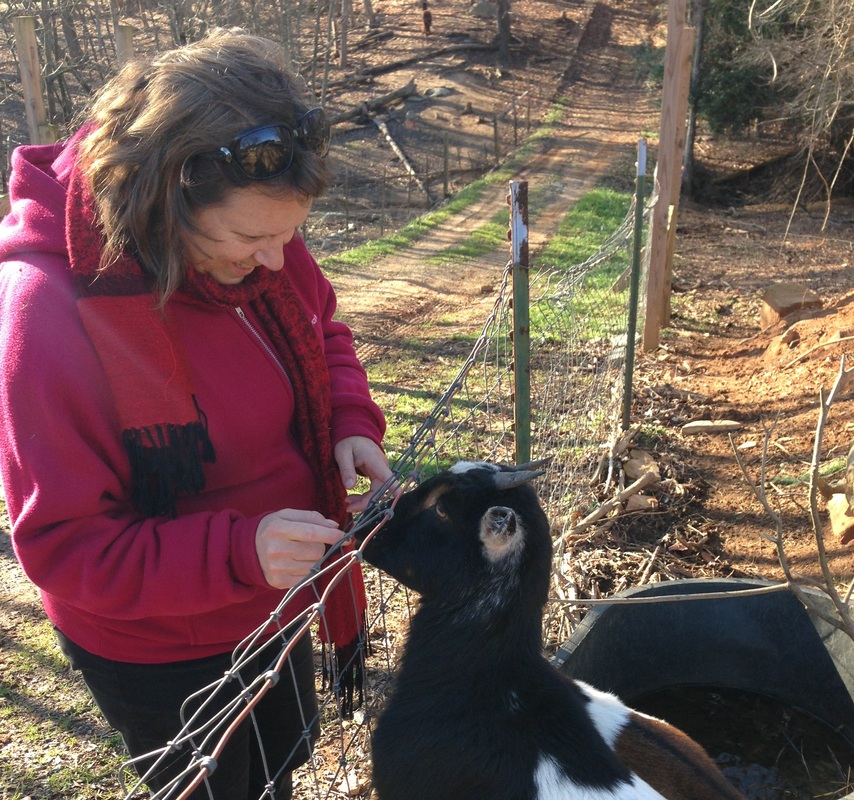
Farmer Sue
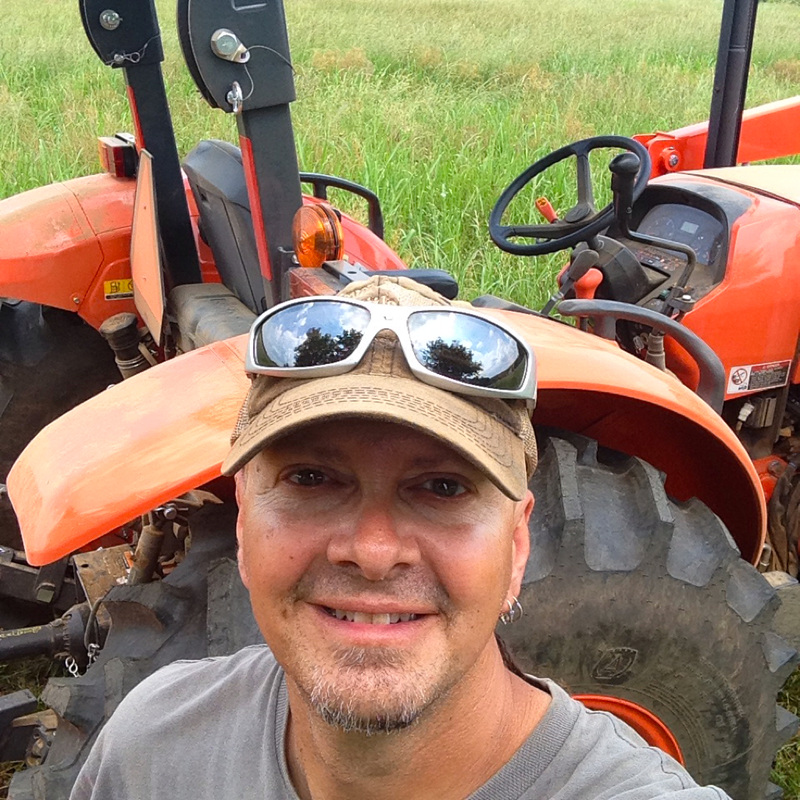
Farmer Mike
Categories
All
Archives
April 2024
Check out our YouTube channel
Copyright © Turboxark Inc 2014-2024 - Terms of Use
|
 RSS Feed